Trying to compare condominium fees in Moorings and Coquina Sands by neighborhood alone can lead you in the wrong direction. In this part of Naples, two buildings on the same stretch of Gulf Shore Boulevard can have very different monthly fees for very different reasons. If you are buying, selling, or simply planning ahead, it helps to understand what those fees actually cover, what may be changing under Florida law, and what questions matter most before you commit. Let’s dive in.
Why condominium fees vary so much
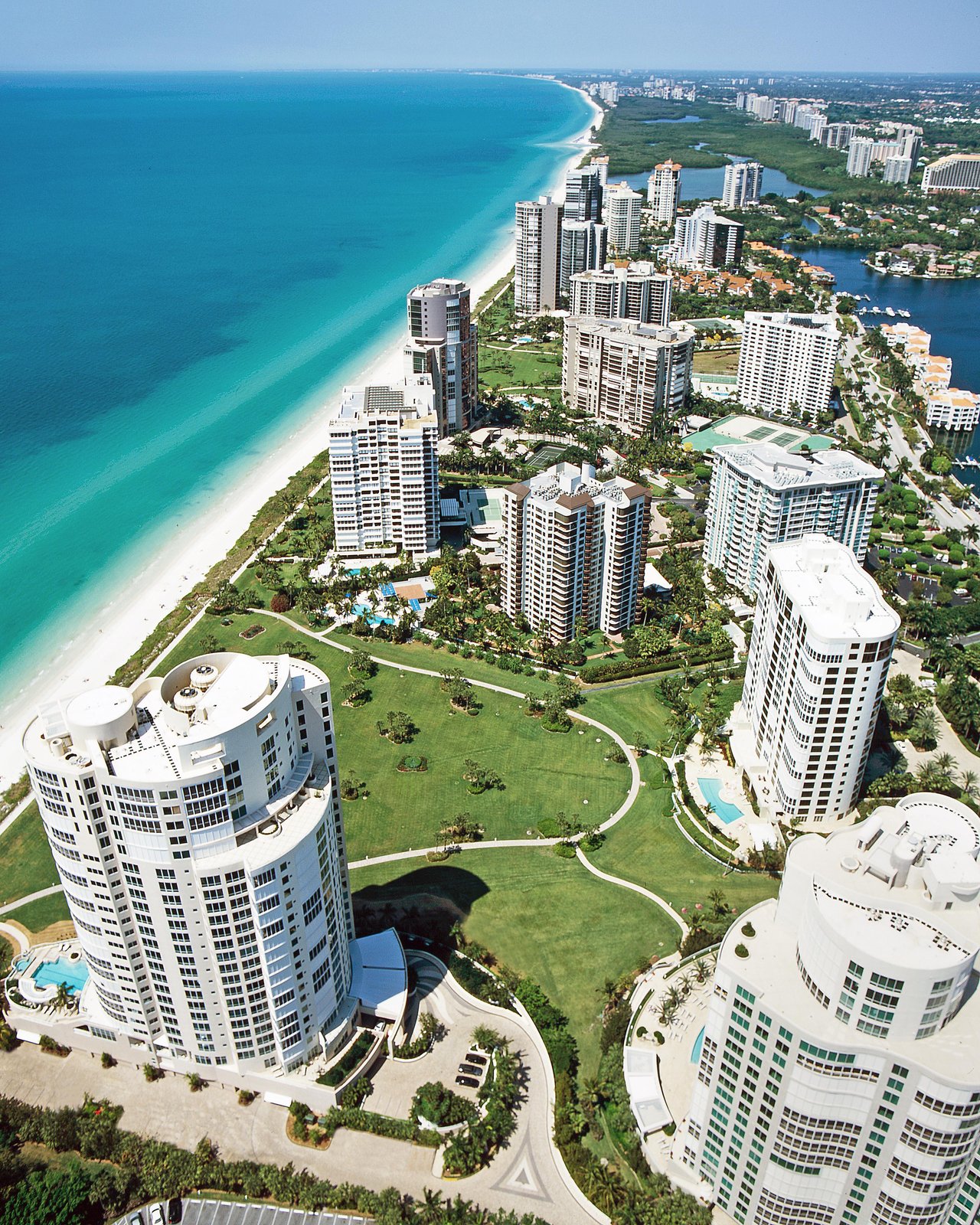
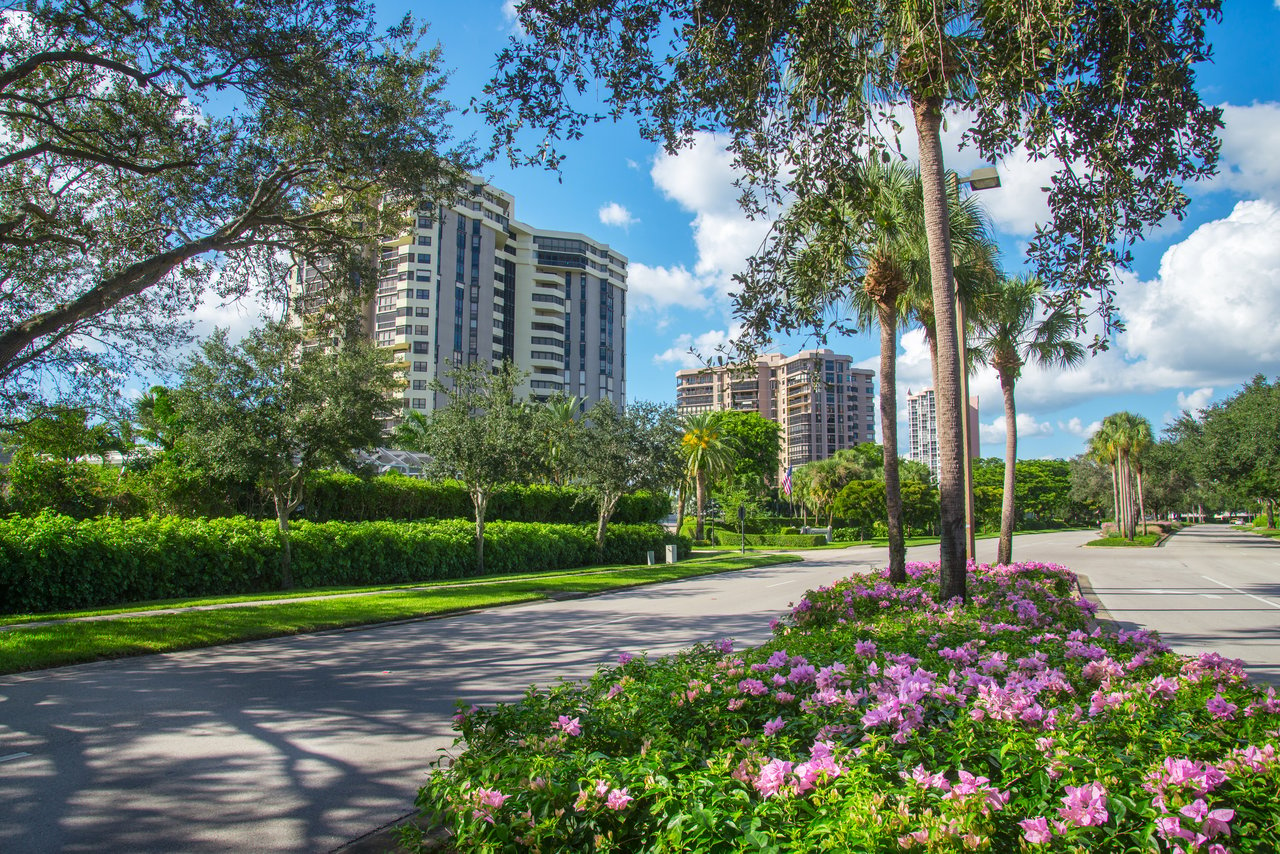
In Moorings and Coquina Sands, condominium fees are often more building-specific than neighborhood-specific. The City of Naples describes Moorings as a large, mature neighborhood with more than 4,000 homes and condominiums, while Coquina Sands includes both single-family homes and condominium buildings along Gulf Shore Boulevard North.
That matters because the monthly fee usually reflects the building itself, not just the address. A building’s age, height, amenities, maintenance history, and association structure can all affect what owners pay each month.
For example, an older coastal building with elevators, a pool, covered parking, and major exterior maintenance needs may carry a very different fee than a smaller, lower-rise building with fewer shared features. If you are comparing options in Moorings and Coquina Sands, it is smart to look beyond the headline number.
What condominium fees usually cover
Florida condominium budgets generally have two main parts: operating expenses and reserve accounts. Both are important, and together they help explain why one building’s monthly fee may be higher than another’s.
Operating expenses
Operating expenses cover the day-to-day cost of running the association. According to Florida condominium budget guidance, this side of the budget can include:
- Management fees
- Salaries
- Utilities
- Insurance
- Taxes
- Accounting and legal services
- Office and administrative costs
- Bad debt
- Postage and related expenses
These are the recurring costs that keep the building functioning from month to month. In a well-run association, operating expenses should be detailed in the annual budget.
Reserve accounts
Reserve accounts are different. These funds are set aside for larger future repairs and replacement projects rather than routine monthly bills.
Florida law requires reserves for capital expenditures and deferred maintenance, including items such as:
- Roof replacement
- Building painting
- Pavement resurfacing
- Other qualifying items with deferred maintenance or replacement costs above $25,000, or the inflation-adjusted state threshold
Reserve funds are generally restricted. That means the money, and the interest earned on it, typically must stay in the reserve account and be used only for authorized reserve work unless owners approve a different use.
Why reserves matter more now
If you are looking at older coastal condominiums in Naples, reserve funding has become a much bigger part of the Condominiumfee conversation. A lower monthly fee may look attractive at first, but it can sometimes mean reserves are not keeping pace with future building needs.
For budgets adopted on or after December 31, 2024, associations required to obtain a structural integrity reserve study, or SIRS, may not waive or underfund the reserve items covered by that study. In simple terms, some associations now have less flexibility to keep fees artificially low if the building needs meaningful long-term funding.
That is one reason a higher monthly fee is not always a negative. In some buildings, it may reflect stronger planning and fewer financial surprises down the road.
Florida rules affecting coastal Naples buildings
In Moorings and Coquina Sands, many condominium buildings are close to the Gulf. That location matters because Florida’s current inspection and reserve rules can directly affect what owners pay.
Structural integrity reserve studies
The Florida Department of Business and Professional Regulation describes a SIRS as a budget-planning tool. It reviews the building components the association must maintain, the current reserve balance, and the funding needed for future expenses.
Under current Florida law, a residential condominium association must complete a SIRS at least every 10 years for each building that is three habitable stories or higher. The study must address key components such as:
- Roof
- Structure
- Fireproofing and fire protection systems
- Plumbing
- Electrical systems
- Waterproofing and exterior painting
- Windows and exterior doors
- Other qualifying items above the statutory threshold if failure would negatively affect those systems
The study must identify remaining useful life, replacement cost or deferred maintenance expense, and a funding plan that keeps the reserve balance above zero through the useful life of those items.
For older, unit-owner-controlled associations that existed on or before July 1, 2022, the SIRS deadline was December 31, 2025. If an association must also complete a milestone inspection on or before December 31, 2026, the SIRS may be done at the same time in some cases.
Milestone inspections
Milestone inspections are separate from the SIRS. In Naples, the building department says condominium and cooperative buildings that are three stories or more must have their first milestone inspection at 25 years if they are within three miles of the coastline, and at 30 years if they are farther inland.
After the first inspection, the schedule continues every 10 years. For buyers looking at older Gulf Shore Boulevard buildings in Moorings or Coquina Sands, this can be especially important because inspection timing and reserve funding may start pressing on the budget at the same time.
Insurance costs
Insurance is another major fee driver in Florida condominiums. State law requires adequate property insurance based on replacement cost, and that replacement cost must be updated at least once every 36 months.
Associations may also carry flood insurance, and boards set deductibles based on available funds and assessment authority. That means insurance costs can have a real impact on monthly dues, especially in coastal buildings exposed to weather and replacement-cost pressure.
How to compare Condominiumfees the right way
When you are evaluating a condominium Moorings or Coquina Sands, the monthly fee alone does not tell the full story. A more useful comparison looks at what the fee funds today and what it may need to fund tomorrow.
Here are the questions that matter most.
Ask what is included
Start with the basics. Review what the association fee covers in operating expenses and whether the building offers services or amenities that naturally increase the budget.
Two buildings may have similar asking prices but very different ownership costs because one includes a broader service package or carries higher insurance, staffing, or maintenance expenses.
Review reserve funding
Find out how much of the monthly fee goes to reserves. Also ask whether reserve accounts are pooled and whether the current funding matches the most recent reserve study.
This is where many buyers uncover the real difference between a building with a steady long-term plan and one that may be postponing hard costs.
Check for special assessments or borrowing
Florida law allows required reserve funding to be covered by regular assessments, special assessments, lines of credit, or loans. However, special assessments, lines of credit, and loans require majority owner approval.
If a building is financing major repairs through debt or is planning a special assessment, your future cost of ownership may look very different than the current monthly fee suggests.
Confirm inspection and SIRS status
Ask whether the building has completed its required milestone inspection and SIRS, if applicable. Also ask whether the most recent reports show major work coming soon.
Florida law now requires conspicuous disclosure in the contract if a required milestone inspection or SIRS has not been completed. That gives buyers another important checkpoint during due diligence.
Look for open permits, bids, and repairs
Official association records must include budgets, financial reports, insurance policies, contracts, inspection reports, SIRS documents, bids, and permits. Many records must be posted on the association’s website or made available for download within 30 days after the association receives or creates them.
If there are active bids, open permits, or known repair projects, that can tell you a lot about where the building may be headed financially.
What a low fee may really mean
A lower monthly Condominiumfee is not automatically a bargain. In some cases, it may reflect lean operations and a healthy building. In others, it may point to deferred maintenance, limited reserves, or future assessments.
Florida’s proxy warning for reserve votes specifically warns that waiving reserves can result in unanticipated special assessments. For you as a buyer, that makes fee structure a long-term value issue, not just a monthly payment issue.
On the other hand, a higher fee can sometimes indicate that the association is funding reserves more responsibly and dealing with building obligations in a more predictable way. Context matters.
One more cost to remember at closing
Monthly dues are not the only fee to keep in mind. If the governing documents authorize a transfer or approval fee, Florida caps that charge at $150 per applicant, with adjustments every five years based on CPI.
It may not be the largest line item in your closing costs, but it is still worth asking about early so you have a complete picture of ownership expenses.
Why local, building-level insight matters
In coastal Naples, broad advice rarely tells the whole story. Moorings and Coquina Sands include a mix of older low-rise and mid-rise buildings, different amenity packages, and different stages of reserve planning, inspections, and capital work.
That is why careful, building-level review matters so much. If you are weighing options on Gulf Shore Boulevard or preparing to position a unit for sale, understanding the fee structure can help you judge value more clearly, spot potential risk earlier, and make a more confident decision.
If you want experienced guidance on how a specific building’s fees, reserves, and recent documents may affect value, connect with The Beachfront Team for a confidential consultation.
FAQs
What do Condominiumfees in Moorings and Coquina Sands usually cover?
- Condominiumfees typically cover operating expenses such as management, utilities, insurance, and administrative costs, plus reserve funding for major future repairs like roofing, painting, and pavement work.
How should buyers compare Condominiumfees in Moorings and Coquina Sands?
- You should compare what the fee includes, how much goes to reserves, whether the building has completed required inspections and reserve studies, and whether repairs are being funded through regular dues, special assessments, or loans.
What is a SIRS for a Naples condominium building?
- A structural integrity reserve study is a Florida-required planning study for certain condominium buildings that estimates future repair and replacement costs, reviews current reserves, and outlines a funding plan.
Which Condominiumbuildings near Gulf Shore Boulevard may face milestone inspections?
- In Naples, condominium and cooperative buildings that are three stories or more generally face milestone inspection requirements, with the first inspection due at 25 years if the building is within three miles of the coastline.
Can a lower Condominiumfee in Moorings or Coquina Sands mean higher future costs?
- Yes. A lower fee can sometimes indicate underfunded reserves, deferred maintenance, or a higher chance of a future special assessment, depending on the building’s financial condition and required work.
Are there transfer or approval fees when buying a condominium Florida?
- If the condominium documents authorize them, transfer or approval fees are capped by Florida law at $150 per applicant, subject to periodic inflation adjustments.