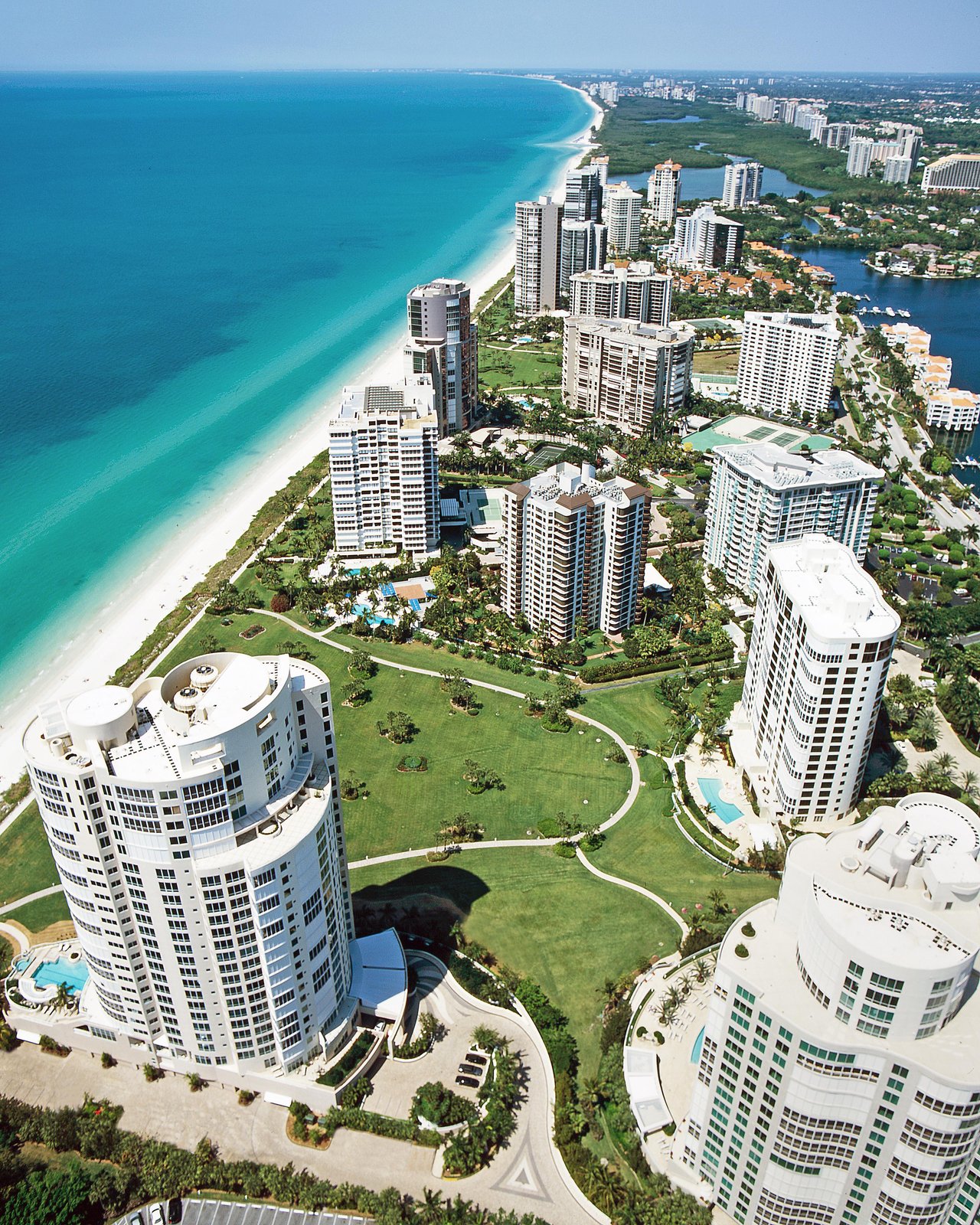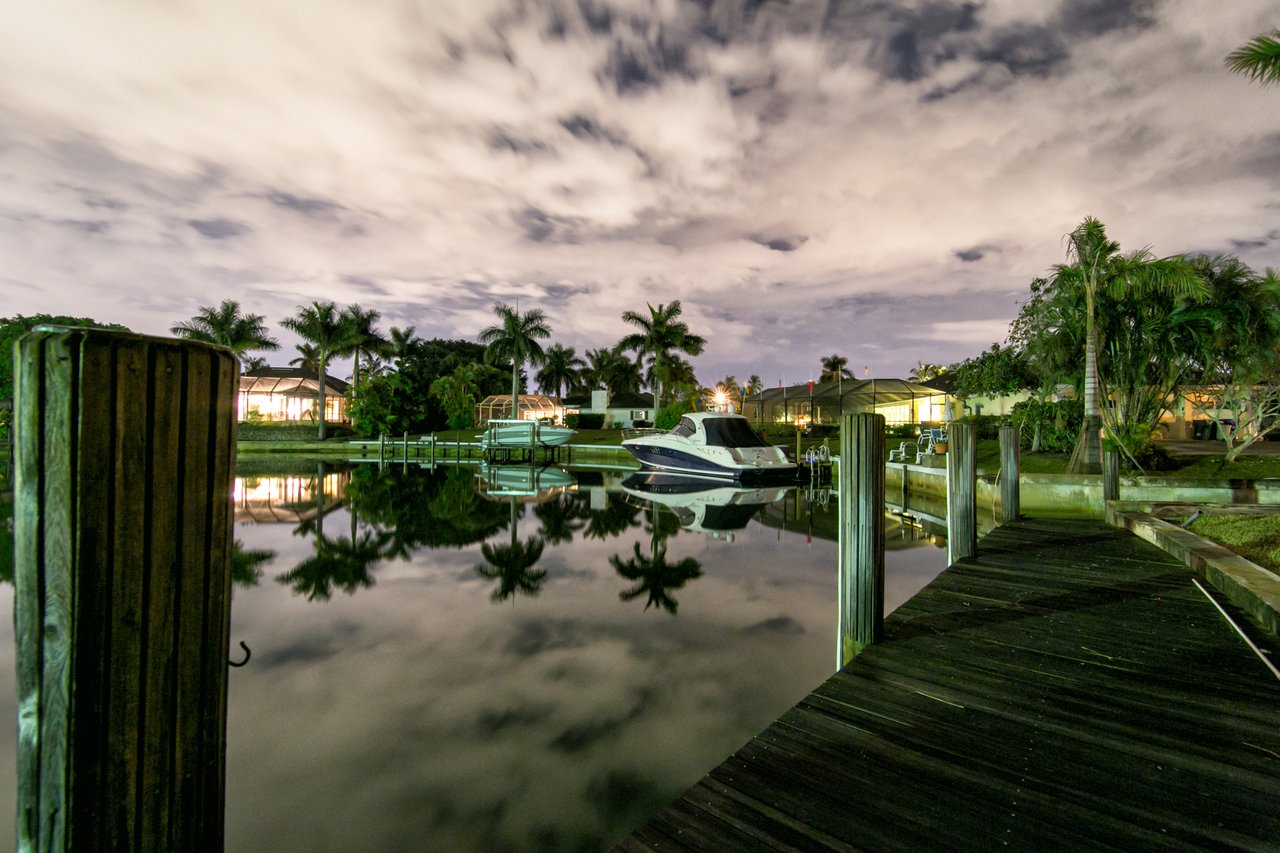
Trying to decide whether to renovate a Royal Harbor waterfront home or start over with a new build? In this neighborhood, that choice is rarely just about style or budget. Your lot, flood zone, seawall, dock setup, and even the type of water behind the home can all change the math. If you want to make a smart, value-conscious decision in Royal Harbor, it helps to understand the local rules and the real tradeoffs first. Let’s dive in.
Why Royal Harbor Is Different
Royal Harbor is part of the City of Naples, which means city departments handle zoning lookups, variances, rezoning requests, and land-use review. That matters because this is not a one-size-fits-all neighborhood where every parcel follows the same path.
If you are thinking about major changes, the city offers zoning confirmation letters for a fee. That can give you written clarity before you spend heavily on plans, design, or engineering.
Royal Harbor also sits within the East Naples Bay Special Taxing District. That district was created to support water quality, navigability, and maintenance dredging in the canal system that serves the neighborhood.
In practical terms, your decision to build new or renovate should be based on the specific property, not just broad market advice. A canal-front lot, a bayfront lot, and a lot with waterfront improvements in poor condition may all require very different strategies.
Start With the Site, Not the House
In Royal Harbor, the land and waterfront edge often drive the decision more than the existing structure. Before you compare contractor bids, you need to understand what the city will allow and what the lot can support.
The City of Naples requires a pre-application meeting for development review. It also does not officially accept submittals until staff confirms the package is complete, which can add time to the front end of the process.
That means a teardown is not simply a construction project. It may involve zoning review, floodplain review, marine permits, and coordination around seawalls, docks, or dredging.
Zoning Can Change the Design
Naples code treats all navigable waterfront yards other than gulf-front as rear yards. So in Royal Harbor, the water side of your property is a major part of setback calculations.
For interior canals and waterways, the code limits a pier’s shore-normal dimension to the platted property line, described in the code as five feet off shore from the platted seawall line. For bayfront and Haldeman Creek properties, dock placement is shaped more by channels, shoals, and the existing line of construction.
The city also recognizes that irregular canals and dead-end areas may justify exceptions after review. That is one reason a parcel-by-parcel evaluation matters so much in this neighborhood.
When Renovating Makes More Sense
Renovating can be the better move when the home already has a solid shell, the seawall is in good shape, the dock situation is workable, and the property can be updated without triggering major flood-compliance costs.
If the home’s bones are good and the layout can be improved without a full reset, a renovation may let you preserve value while controlling timeline and complexity. It can also be appealing if the existing waterfront improvements are already functional and compliant enough to avoid major surprises.
HomeGuide places simpler renovation work around $15 to $60 per square foot, while full gut-and-remodel projects run about $70 to $150 per square foot. It also notes that many whole-home remodels land between roughly $20,000 and $100,000, with timelines often around 2 to 8 months depending on scope.
On a waterfront lot, though, those ranges are only a starting point. Once floodplain upgrades, elevation requirements, marine permits, or seawall work enter the picture, the budget can rise quickly.
The Biggest Renovation Risk
The biggest financial risk in a Royal Harbor renovation is crossing the city’s substantial-improvement threshold. If a renovation or repair is deemed a substantial improvement or substantial damage, meaning the cost is 50% or more of the structure’s pre-project value, the home must be brought into compliance.
That can include elevating the building to or above the base flood elevation. In some cases, that single trigger can completely change whether a renovation still makes financial sense.
The City of Naples notes that the area is especially susceptible to flooding from heavy rain and storm surge because it is close to sea level and threaded by bays and canals. The city’s 2024 Flood Insurance Rate Maps are in effect, and properties in Special Flood Hazard Areas fall in Zones A or V.
When Building New May Be Smarter
A teardown and new construction often make more sense when the existing home is dated, structurally tired, or likely to trigger expensive code and floodplain upgrades anyway. If you are already facing a near-total reset, starting fresh may give you better long-term utility and stronger resale appeal.
A new build also gives you the chance to design around current code requirements from the start. New construction and substantial improvements must comply with the current Florida Building Code, which is the 8th Edition (2023), effective December 31, 2023.
In a neighborhood like Royal Harbor, where waterfront lifestyle and presentation matter, a thoughtfully designed new home may also be easier to position in the luxury market. That is especially true when buyers are comparing turnkey options and closely evaluating condition.
What New Construction Costs Look Like
For Florida, HomeGuide estimates about $180 to $280 per square foot for a builder-grade home and $280 to $400 per square foot for a custom home. Average total build costs are estimated at roughly $350,000 to $600,000 before land and site preparation.
Demolition adds another layer. HomeAdvisor’s 2025 guide puts house demolition at about $6,000 to $25,000, or roughly $4 to $17 per square foot, and the City of Naples requires demolition permits as part of the permit process.
Construction itself commonly takes 6 to 12 months or longer before design and permitting. In Royal Harbor, the full timeline is often longer because a project may also involve pre-application review, floodplain review, marine permits, and waterfront coordination.
Seawalls, Docks, and Dredging Can Tip the Decision
For waterfront owners, the condition and legality of the water side improvements can be just as important as the house itself. If your seawall is aging, your dock layout is limited, or dredging may be needed, your costs can change fast.
The City of Naples requires a marine permit for docks, boat lifts, pilings, seawalls, and riprap. Dredging also requires a marine permit, and if the work is on a natural water body, city council approval is required through a petition process before the marine permit application.
City staff determines whether your property fronts a manmade canal or a natural water body. That distinction matters because riprap must be placed at the base of new and repaired seawalls on natural waterways, and seawalls and revetments must be kept in good repair.
The code also states that land or fill may not be extended into a bay, canal, or channel beyond the original toe stones or existing seawall. So if you are counting on expanding the usable waterfront edge, that assumption needs to be checked very early.
Resale Value Favors Quality and Clarity
Royal Harbor buyers tend to look closely at condition, design, and waterfront functionality. In a luxury coastal market, quality can create a clear pricing advantage, but only when the home is positioned correctly.
As a local market proxy, NABOR’s 2025 year-end report shows Naples with a median closed price of $610,000, sellers receiving 94.2% of list price on average, and homes averaging 95 days on market. In the 34102 area, the median closed price was $2.35 million, sellers received 91.3% of list price on average, and homes averaged 139 days on market.
That pattern suggests a market that rewards strong presentation and quality, while still scrutinizing pricing and condition. In that environment, a new build may stand out when an older home would require major compromises, while a renovated home can compete well if it reaches a true turnkey standard without excessive compliance costs.
A Simple Way to Compare Your Options
If you own in Royal Harbor or are considering a purchase, it helps to evaluate the decision in this order:
- Confirm zoning. Check the exact zoning district on the city zoning map because Royal Harbor is parcel-specific.
- Verify floodplain facts. Confirm flood zone, base flood elevation, and whether your planned work could be classified as substantial improvement or substantial damage.
- Review the waterfront edge. Assess the seawall, dock, and whether the property fronts a manmade canal or a natural water body.
- Ask about permit paths. Determine whether the project may require a marine permit, dredging review, council approval, or added engineering.
- Compare all-in costs. Look beyond the base construction quote and factor in compliance, site prep, seawall work, dock work, and timeline risk.
The Best Choice Is Usually the Clearest One
In Royal Harbor, the right answer is rarely emotional, even though the property may feel deeply personal. The strongest decisions come from understanding what the lot allows, what the existing structure can reasonably support, and how the finished product will perform in today’s market.
If the home can be updated efficiently without triggering major flood-compliance costs, renovating may preserve both time and capital. If the site deserves a more complete reimagining and the existing house is fighting you every step of the way, building new may be the cleaner long-term play.
Whether you are evaluating a waterfront purchase, preparing a family property for sale, or deciding how to maximize a Royal Harbor asset, local insight matters. For discreet guidance tailored to your property and goals, connect with The Beachfront Team.
FAQs
What makes a Royal Harbor renovation different from a typical remodel?
- Royal Harbor renovations can be shaped by parcel-specific zoning, floodplain rules, seawall condition, dock limitations, and whether the property fronts a canal or natural water body.
What is the substantial improvement rule for Royal Harbor homes?
- In the City of Naples, if renovation or repair costs are 50% or more of the structure’s pre-project value, the project may be classified as a substantial improvement or substantial damage, which can require the home to be brought into compliance, including elevation requirements.
What permits might a Royal Harbor waterfront project need?
- Depending on the scope, a project may involve building permits, demolition permits, floodplain review, and marine permits for docks, seawalls, pilings, riprap, boat lifts, or dredging.
Is it usually cheaper to renovate a Royal Harbor waterfront home?
- Not always. A renovation may look less expensive at first, but flood-compliance upgrades, seawall repair, dock work, and permit requirements can narrow or erase the gap.
How long does it take to build a new home in Royal Harbor?
- Construction commonly takes 6 to 12 months or more before design and permitting, and the full process can take longer when pre-application review, floodplain review, marine permits, or waterfront improvements are involved.
How can you evaluate a Royal Harbor lot before designing plans?
- Start by confirming zoning, flood zone, base flood elevation, seawall and dock conditions, and whether the waterfront edge is a manmade canal or natural water body before investing heavily in plans.