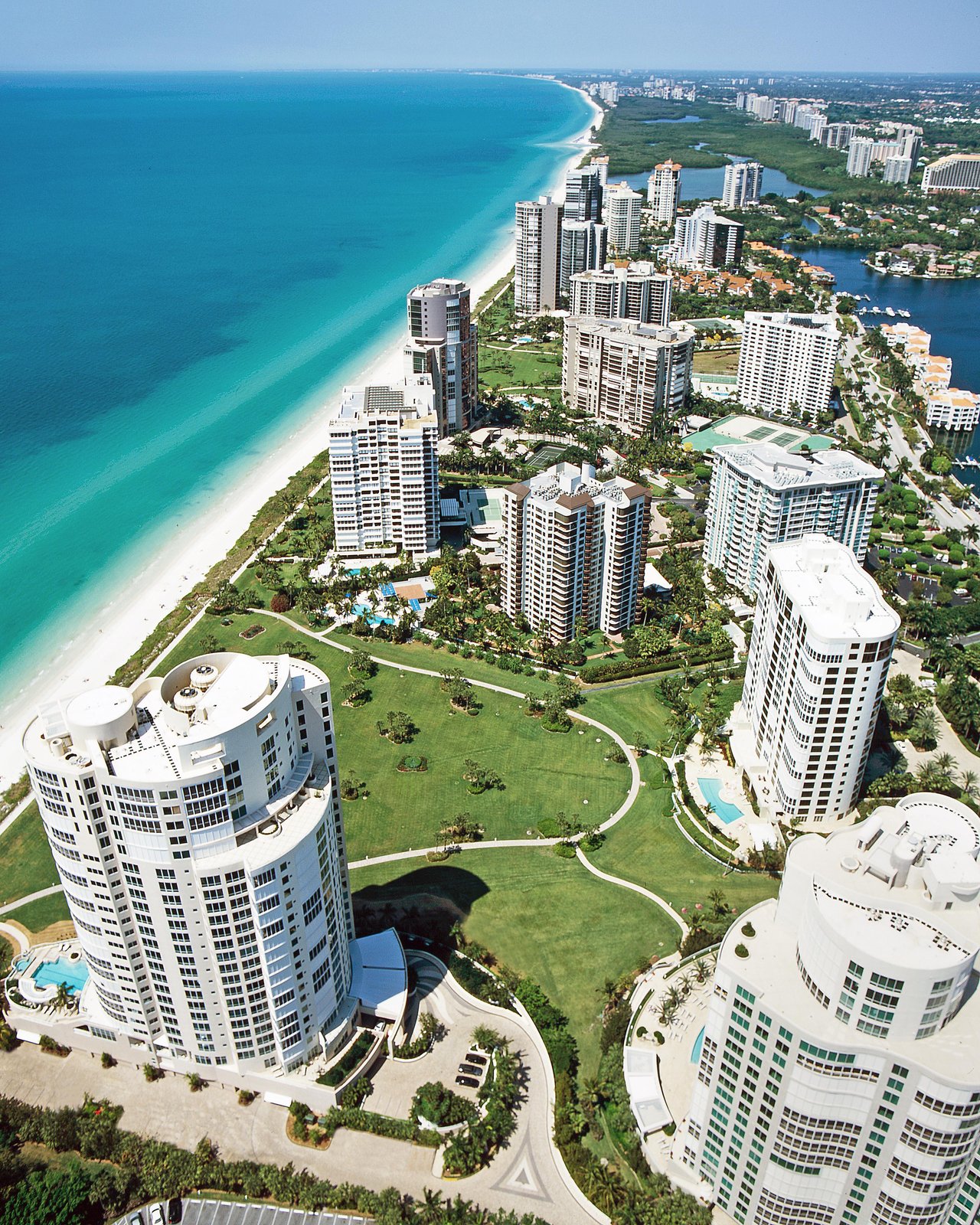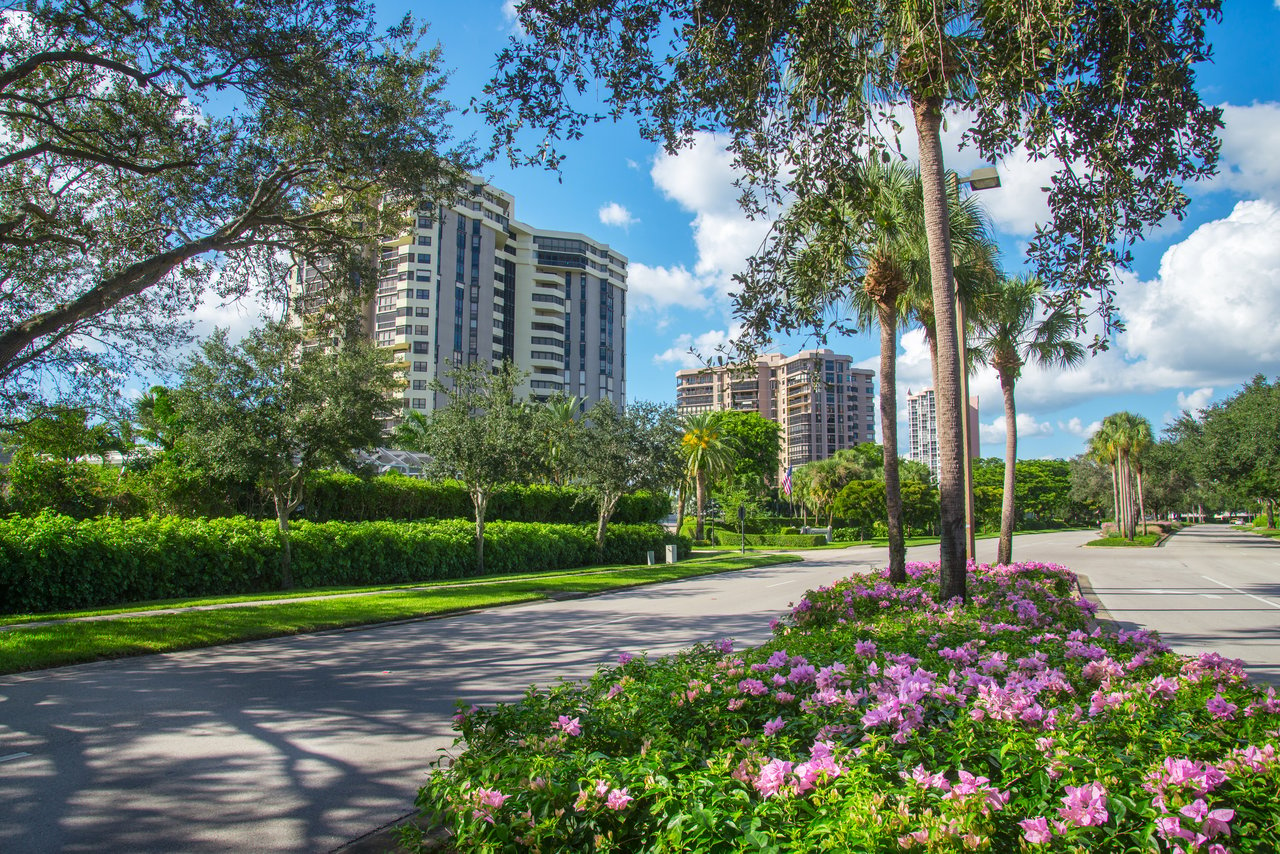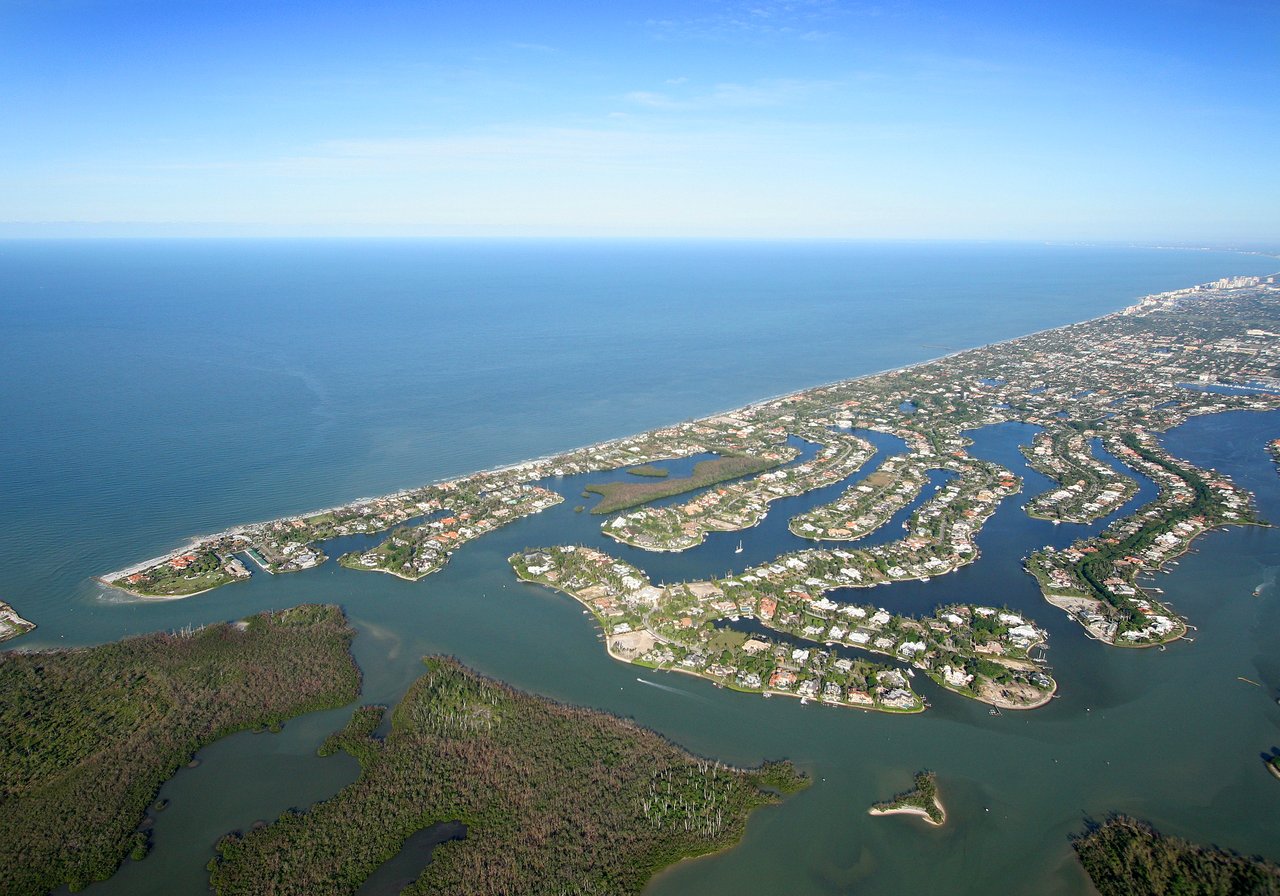
Trying to decide when to list your Port Royal waterfront estate can feel like timing a tide. You hear about record sales and swift all-cash closings, then you see quiet months where little hits the market at all. You want to sell with confidence, protect your privacy, and capture full value. In this guide, you’ll learn how Port Royal’s unique dynamics work, what signals to watch, and practical steps to choose the right moment and channel for your sale. Let’s dive in.
Why Port Royal timing is unique
Port Royal is not the broader Naples market. It is a tiny, ultra-prime enclave with scarce supply and occasional headline transactions. A multi-parcel beachfront compound closed for about $225 million in 2025, one of the largest U.S. home sales, which shows how a single trophy deal can skew averages and news cycles. See the context in this coverage of the record-setting sale for Naples’ coast from The Real Deal.
Scarcity is a constant here. Port Royal has only a few hundred single-family properties and often fewer than 40 active listings at any time. That makes each trade matter more than usual, and it means a basic CMA may not capture true value. National luxury reporting also highlights how this micro-market blends public listings with private activity. For background on the enclave’s super-luxury profile and constrained supply, see Mansion Global’s coverage.
Privacy also plays a larger role. At the ultra-prime level, quiet or off-market deals are common. Some trophy properties in Florida and beyond trade via private channels rather than public portals. CNBC notes a rise in private sales for high-value assets, a pattern you regularly see in Port Royal.
Finally, cash shapes timelines. Naples ranks among U.S. metros with the highest share of all-cash purchases, which changes how offers, contingencies, and closings behave. For sellers, a deep cash buyer pool can be a real advantage once the right match is found. See the latest national breakdown in ATTOM’s 2025 analysis.
Seasonality and buyer reach
Winter season still matters
Naples has a clear winter season from roughly November through April. During those months, more out-of-market buyers are in town, which usually increases showing activity. If you want maximum in-person exposure, align your public launch with the winter calendar. Local market cadence is outlined in NABOR’s market statistics.
Year-round ultra-luxury activity
Ultra-high-net-worth buyers do not always travel on a typical schedule. The right buyer can surface in June just as easily as January. Use the winter months to concentrate brand-forward marketing, then remain open to private, invite-only showings year-round. When your estate fits an active buyer’s exact brief, timing can compress regardless of the calendar.
Choose the right channel
Your sale channel should reflect your goals for privacy, speed, and price discovery.
- Public listing for broad exposure. Best when you want competition and marketing reach. Pair with a high-season launch if you want a larger in-market audience.
- Off-market or whisper campaign for discretion. Private outreach can protect privacy and still surface full-price offers when the buyer set is well defined. CNBC documents how private transactions are growing at the top end.
- Curated auction when speed and certainty matter. A time-boxed auction can widen the international buyer pool and create a competitive event. Explore examples from Concierge Auctions to see how this format works for unique assets.
Pricing and valuation that fit Port Royal
Use segmented comps, not averages
Port Royal’s small sample size means outliers can distort averages. Treat record closings as helpful context, not the anchor for your price unless your estate is directly comparable in land, frontage, and scale. A segmented approach by price band is often more accurate, backed by specialist appraisal standards for unique property types. For a framework on valuing complex assets, see RICS guidance.
What drives premiums
Your value narrative should highlight features ultra-luxury buyers pay for:
- Direct Gulf frontage vs bay or canal, and total linear feet of frontage
- Orientation and view quality, including sunset exposure
- Dock length, depth, and proximity to Gordon Pass for sea trial access
- Seawall age and condition, and recent marine improvements
- Lot geometry, acreage, and potential subdivision or FAR allowances
- Land-to-structure ratio and architectural caliber
- Insurance and flood-zone profile
- Port Royal Club eligibility and status
These factors help explain price variance between nearby parcels that look similar on a map but live very differently for a yacht owner or privacy-focused buyer.
Signals to watch before you list
Focus on a short set of indicators that actually move outcomes in Port Royal. Use public data, then layer in private-broker intelligence.
- Active listings in Port Royal and 34102. Even a few new Gulf-front options can shift attention. Scarcity is a pricing lever, which is why constrained inventory supports stronger outcomes. Context on the enclave’s limited supply is in Mansion Global’s reporting.
- Pending and closed sales in the $5M+, $10M+, and $25M+ bands. The ultra-luxury segment does not always move with the median market. Track county and 34102 cadence in NABOR’s monthly updates.
- Days on market for comparable estates. Rising DOM for peers can signal buyer resistance at current asks or a mismatch on condition.
- Price reductions and list-to-sale ratio over $10M. Multiple reductions within the same cohort suggest a need to re-examine channel and price.
- Share of all-cash closings. A high cash mix supports certainty and shorter contingencies. Watch for shifts in the $10M+ segment through sources like ATTOM’s reports.
- Off-market activity. If top-tier parcels are repeatedly trading privately, a quiet campaign may reach the best buyers first. Industry coverage of private deal flow at the high end is summarized by CNBC.
A practical timing framework
Use this simple plan to choose when and how to launch.
Read the market now. Check current Port Royal actives, recent pendings in your price band, and cash share trends. If high-season is near and actives are lean, listing publicly soon could maximize competition. If buyer traffic looks thin, consider a short private preview first.
Match your channel to your goal.
- If privacy is paramount, start off-market with NDAs and vetted showings. If you reach buyer-fit quickly, you may secure a strong offer without going public.
- If you want the widest reach, plan a data-backed public launch and invest in premium media. Time it to overlap with the winter season for peak in-person exposure, per NABOR’s seasonal patterns.
- If timing is tight, evaluate an auction format. A recognized platform like Concierge Auctions can compress timelines for unique assets when speed and a defined window are critical.
- Use a 30 to 60 day review cadence. In ultra-luxury, pricing and channel strategy deserve deliberate check-ins. If qualified showings are light, refresh marketing, adjust access, or consider a controlled price move. If privacy or a specific buyer profile is the priority, you may accept a longer window.
Pre-list checklist for certainty and speed
Prepare key items before you invite qualified buyers through the door.
- Full dock and seawall review. Document condition, recent improvements, and any quotes for remediation. Marine infrastructure is central for yacht-focused buyers.
- Club and title documentation. Confirm Port Royal Club eligibility and status. Broker commentary in luxury media has suggested a modest near-term lift around the club’s reopening window, on the order of about 5 to 10 percent as a pocket effect. Treat that as a positive factor, not a guaranteed jump. See Mansion Global’s coverage for context.
- Premium visual assets. Commission professional photography, drone, twilight, and a water-access film that shows dock capability and runs toward Gordon Pass. Remote UHNW buyers rely on this content.
- Data-driven comps packet. Include recent closed sales, any known off-market trades that are relevant, land sales, and clearly stated adjustments. For unusual properties, follow specialist standards like RICS guidance to frame a coherent valuation narrative.
- Channel plan with pros and cons. Outline public MLS plus luxury syndication, a controlled off-market path with NDAs, and the auction option. Include expected timelines and costs for each.
- Buyer pre-qualification. Require proof of funds for private showings. For financed buyers, request strong pre-approval elements in advance. A high cash share, described in ATTOM’s analysis, often shortens the path to closing.
- Tax and estate coordination. Align sale timing with your advisors if residency or estate planning affects your objectives.
When to wait vs. when to list now
Consider listing now if:
- Active Gulf-front choices are limited and match your price tier
- You have turnkey appeal or rare attributes like broad frontage, deepwater dockage, or prime pass proximity
- You are comfortable with a private-first approach that can flip to public quickly if needed
Consider waiting or running a quiet preview if:
- Your best buyer profile is seasonal and winter is approaching
- Several comparable estates just launched and compete head-to-head
- Your marine or structural updates need a few weeks to complete and document
The bottom line
In Port Royal, timing is less about catching a headline and more about precision. You want the right buyer, the right channel, and the right documentation. Use seasonality to your advantage, watch the few data points that matter, and prepare a clear valuation story grounded in your waterfront attributes. When those pieces align, you can sell with confidence at any point in the year.
Ready to talk strategy for your estate? Connect with The Beachfront Team for a confidential, data-driven plan that blends local expertise, bespoke marketing, and global reach.
FAQs
What is the best time of year to list a Port Royal estate?
- Winter brings the largest in-person buyer pool, as outlined in NABOR’s seasonal cadence, but targeted off-market outreach can succeed year-round.
How do off-market sales in Port Royal typically work?
- Your advisor vets qualified buyers, uses NDAs, and arranges private showings; this preserves privacy and can still produce full-price offers, consistent with CNBC’s coverage of private deals.
How should I treat the recent $225M Naples sale when pricing my home?
- Use record deals to understand the ceiling and for context, but rely on segmented comps and specialist valuation methods rather than one outlier, as highlighted by The Real Deal’s reporting.
Do cash buyers change negotiations for Port Royal sellers?
- Yes. A high cash share reduces financing risk and can shorten timelines, which is supported by ATTOM’s analysis of cash-heavy metros.
Is a luxury auction a good fit for my estate?
- Consider it if you want a defined timeline and broad international reach for a unique property; review process details with platforms like Concierge Auctions.
Will the Port Royal Club’s status affect my sale price?
- Eligibility and reopening timing are positive context. Luxury reporting has cited a modest potential pocket effect around reopening, per Mansion Global.