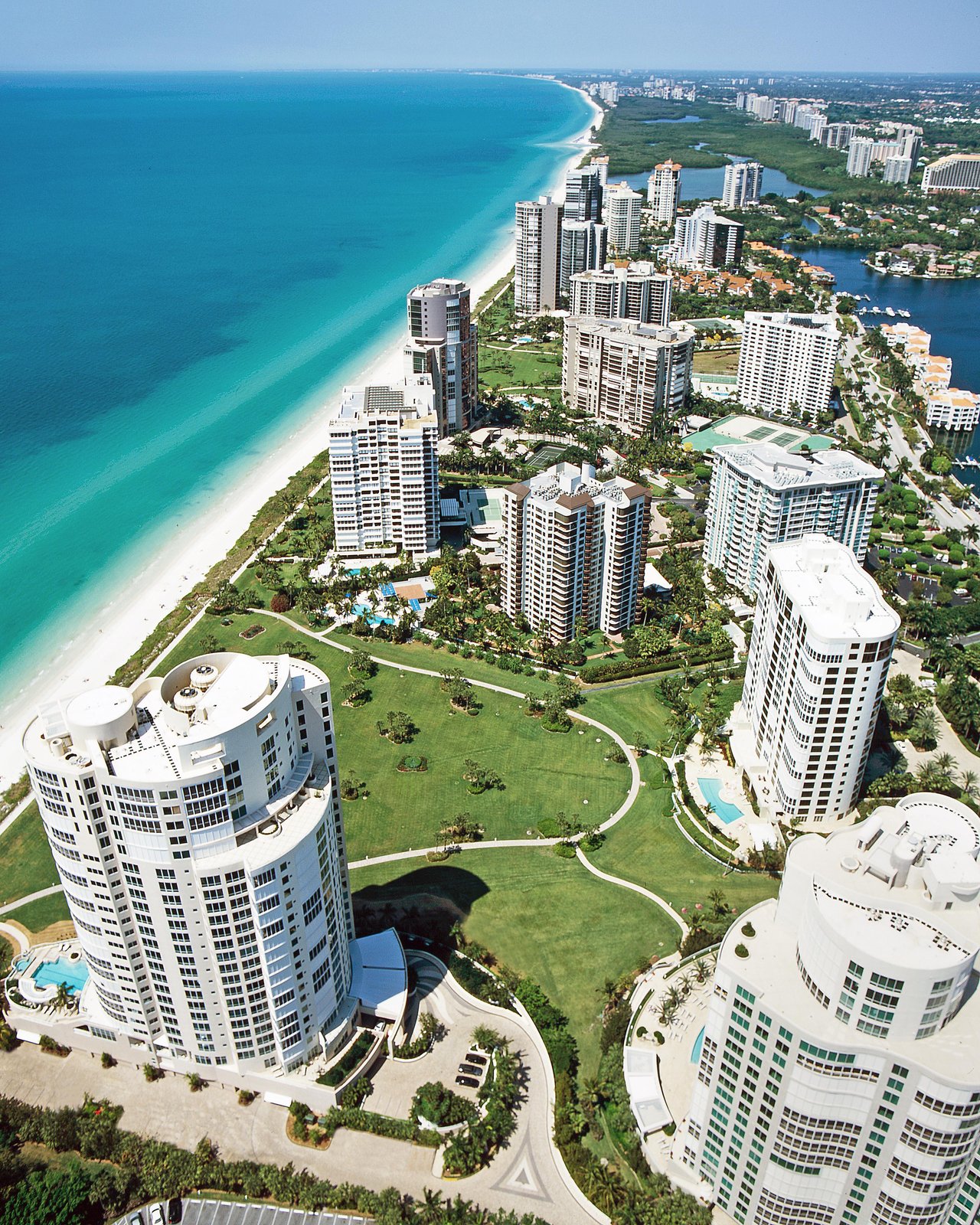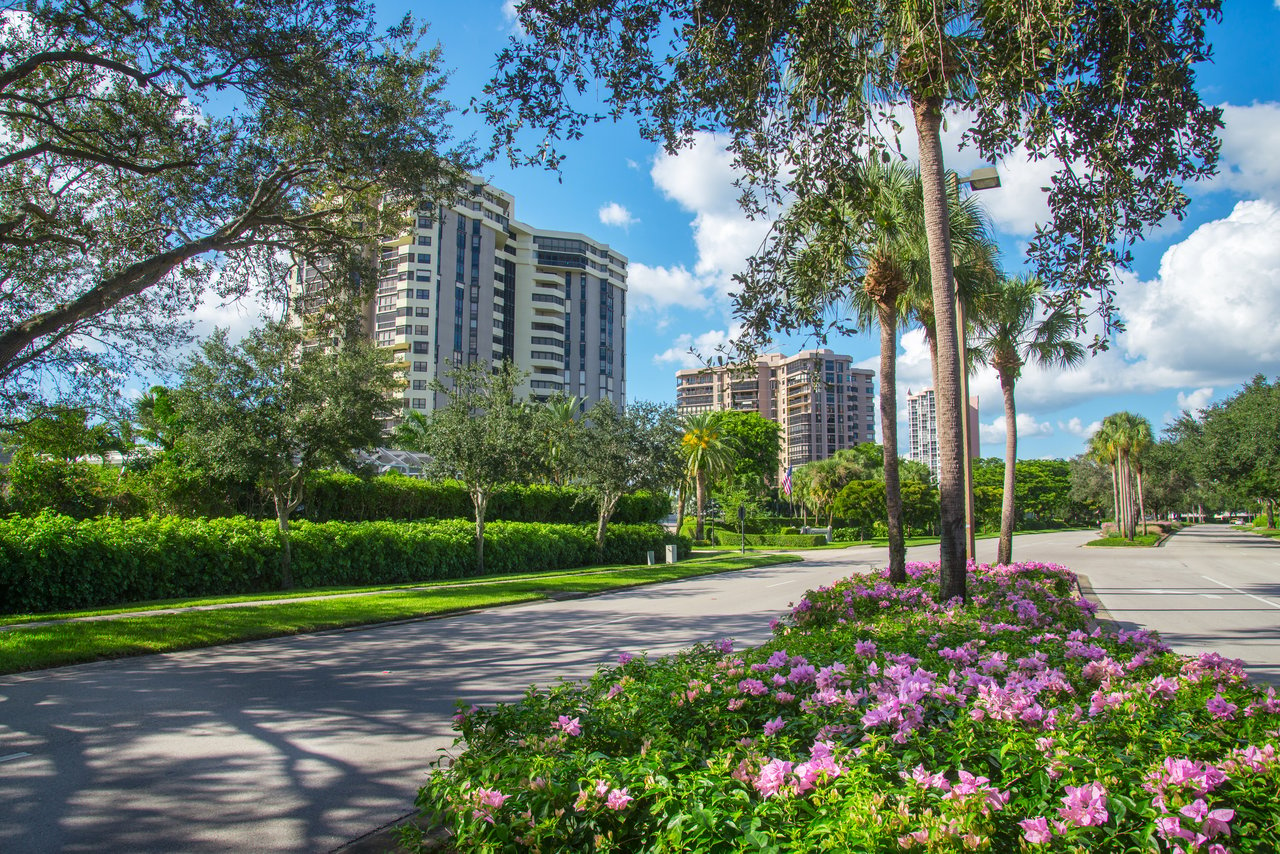
If you are considering a condominium in Pelican Bay, you are likely drawn to the beaches, the private clubs, and the easy coastal lifestyle. You also want to understand how access works, what the real costs look like, and how different buildings shape your day-to-day routine. In this guide, you will learn how Pelican Bay’s amenities are organized, how the beach clubs and tram system function, what to expect for racquets and fitness, and which details matter most when choosing a condominium. Let’s dive in.
Membership and fees that shape ownership
Pelican Bay’s master association, the Pelican Bay Foundation, manages the shared amenities that make the neighborhood special. These include the beaches and beachfront dining, the tram system, the Community Center and Fitness Center, and parts of racquets and programming. Membership in the Foundation is mandatory for owners, and the Foundation charges annual assessments plus a one-time capital fee at resale.
For the FY2026 period published by the Foundation, the annual assessment is a total of $3,295 per year. There is one-time Resale Capital Assessment of $10,000 typically paid by the buyer at closing. Tip: Always confirm the current figures on the unit’s estoppel since budgets update each year. You can review the current assessment details from the Pelican Bay Foundation in the member resources estoppel certificate.
If you are purchasing a condominium, the Foundation’s annual bill is often paid by the association and built into your dues. Beyond Foundation costs, Pelican Bay Services Division is a Collier County municipal services unit that funds items like street lighting, water management, and beautification through separate non ad valorem charges on your tax bill. Get background on local services and budgeting from the Pelican Bay Services Division page.
Beach access and clubs
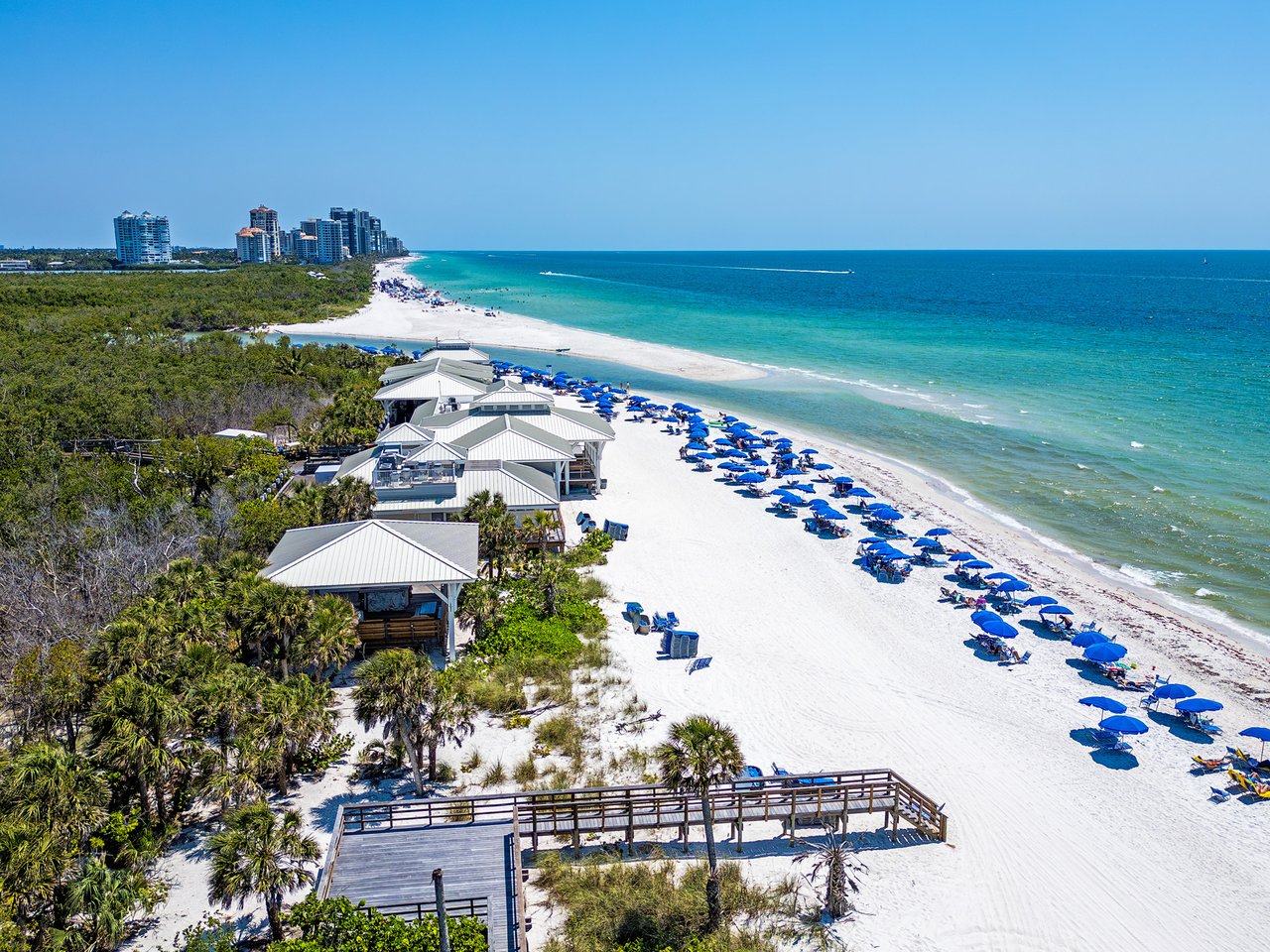
Pelican Bay offers nearly three miles of white sand with two primary beachfront complexes, North Beach and South Beach. Access is managed by the Foundation for members and authorized guests, with convenient boardwalks and tram connections, plus restrooms, showers, and beach attendant services. Hours published by the Foundation indicate 9 a.m. to sunset. You can explore a current overview on the Foundation’s page about Pelican Bay beaches.
North vs South Beach vibe
Both beaches offer chair and umbrella setup, facilities, and a laid-back coastal feel. North Beach places you near the Marker 36 restaurant and features a slightly more active dining scene with live music nights published seasonally. South Beach leans casual, anchored by the Sandbar venue, and can feel a touch quieter around dining hours. If you plan to dine at the beach often, note which beach your nearest tram station serves.
Public shoreline nuance
Pelican Bay controls practical access through trams, boardwalks, and staffed entry points. Under Florida law, the wet sand seaward of the mean high water line is generally public. In day-to-day life, Pelican Bay’s private access points and tram system limit casual public use of the immediate shoreline served by its amenities.
Trams: getting to the sand fast
The open-air electric tram system is one of Pelican Bay’s signature conveniences. Eight tram stations connect condo clusters to the berm and boardwalks that lead to the two beach clubs, and the Foundation notes the service completes more than 900,000 trips annually. If you expect to visit the beach daily, being near a station can transform your routine. Review how the service works on the Foundation’s tram service page, then check a building’s distance to its nearest station during showings.
Proximity is the lifestyle driver. Gulf-front high-rises and western low-rises can mean a short walk to the boardwalk. Buildings set deeper in the community are still convenient but rely on a longer stroll or a tram hop.
Racquets and pickleball
Pelican Bay maintains an active racquets culture with updated facilities. Through a partnership with Collier County, the Pelican Bay Community Park offers 8 Har Tru tennis courts and 20 outdoor pickleball courts. Additionally, there are 18 Har-Tru tennis courts at two prime locations within the community, available to members only. Review the Foundation’s racquets overview and confirm booking rules, hours, and member priorities at the park’s official site, Pelican Bay Community Park.
If racquets are central to your lifestyle, ask two questions before you write an offer. Which courts are member exclusive versus shared-use, and how close is the building to your preferred courts. That clarity prevents surprises during high-demand seasons.
Fitness, wellness, and community
The Pelican Bay Community Center houses the main Fitness Center with cardio and strength equipment, group classes, personal training, and a wellness studio. Community rooms support art, cards, and social programming. Many condominiums also include a pool, small fitness room, and social spaces at the building level. Compare the building’s amenities to the Foundation’s Fitness Center to decide what matters most to you.
Nature, watercraft, and trails
Beyond the beach clubs, Pelican Bay maintains the elevated berm for walking, running, and cycling, plus mangrove paths that put you close to nature. The Foundation provides kayaks, canoes, and sailboats for use on Clam Bay, often on a reservation or first-come basis through the member portal. If you see yourself paddling at sunrise or biking the berm weekly, make that part of your tour plan when you evaluate locations.
What truly shapes your condo choice
Every Pelican Bay condominium provides access to the same core Foundation amenities, but how you use them depends on location, building features, and costs. Keep these decision points in focus:
- Beach access convenience. If daily beach time is non negotiable, prioritize buildings close to a tram station or the berm. If you prefer quieter days, consider distance from the busier dining windows at Marker 36 and South Beach’s Sandbar.
- Building amenities versus Foundation amenities. A robust in-building fitness room, guest suites, or a large pool can change how often you visit the Community Center. Balance both when you value the monthly dues.
- Real costs, layered. Your total carrying cost includes condo association dues, the Foundation’s annual assessment, and property taxes that include PBSD non ad valorem charges. The one-time $10,000 Resale Capital Assessment at closing is a meaningful line item for buyers.
- Leasing and use rules. Rental policies sit at the association level. Confirm minimum lease lengths, lease frequency, and any pending changes in board minutes if you plan to rent seasonally.
- Insurance and reserves. Review the association’s master insurance policy, reserve study, and any history of special assessments. Hurricane deductibles can drive association expenses after a major storm.
- Activity and sound. New or busy racquets facilities, seasonal events, or dining programming can influence traffic and background sound. Visit the area at different times of day to gauge fit.
Pre-offer checklist for Pelican Bay buyers
Use this quick list to verify the essentials before you sign.
- Request the Pelican Bay Foundation estoppel for the specific unit. Confirm the current annual assessment and the Resale Capital Assessment listed. Start with the Foundation’s published estoppel certificate and ask for the latest version tied to your closing date.
- Order the condominium association estoppel and governing documents. Review the declaration, bylaws, rules, current budget, reserve study, and minutes. Use the Collier Clerk portal for recorded documents at the official records page.
- Confirm rental rules and any pending changes. If seasonal leasing matters to you, verify minimum terms and the number of leases allowed per year with the association. The Foundation’s Realtors page is a helpful starting point for process context.
- Review building-level amenities and capital plans. Ask about recent repairs, upcoming projects, and reserve funding. Cross-check with recent budgets and maintenance notes.
- Map your access. Note the nearest tram station, estimated walk time, and which beach club it serves. Ride the tram during a visit to test timing to Marker 36.
- Ask Member Services about guest access. Clarify member cards, renter cards, dependent cards, and guest pass procedures, including fees and ordering rules for guests who want independent amenity access.
- Verify racquets access and fees. Confirm which courts are member exclusive, how reservations work, and whether the building offers any racquets privileges. See the Foundation’s racquets overview and check the park’s official site.
- Review insurance and storm readiness. Understand master policy deductibles, the unit owner’s responsibilities, and any recent storm assessments.
- Check PBSD and county notes. Learn about PBSD charges on the tax bill and any current projects that could affect services at the Pelican Bay Services Division.
Work with a local advisor
Selecting the right Pelican Bay condominium is about aligning daily life with location, amenities, and true carrying costs. You deserve building-level insight on tram proximity, beach club dynamics, racquets access, and association health before you buy. If you want a calm, data-backed process with local perspective, our team would be happy to help you narrow to the two or three buildings that fit you best.
Ready to explore Pelican Bay with a trusted guide. Connect with The Beachfront Team to schedule a confidential consultation.
FAQs
How does beach access work for Pelican Bay condominium owners?
- Foundation members use boardwalks and the tram system to reach North or South Beach, where staff provide chair and umbrella setup, with hours generally from 9 a.m. to sunset as published by the Foundation.
What are the annual fees and one-time costs I should expect?
- In addition to your condo dues, the Foundation’s FY2026 lists a $3,295 annual assessment plus a one-time $10,000 Resale Capital Assessment at closing, with PBSD charges appearing on your tax bill.
Are the beach clubs open to the public or only to members?
- Practical access is controlled for members and authorized guests through staffed entry points and trams, while the wet sand seaward of the mean high water line is generally public under Florida law.
How important is tram proximity when choosing a building?
- Very important if you plan daily beach time, since eight tram stations move residents to the berm and boardwalks quickly, which can turn a long walk into a two-to-five minute hop in peak season.
What should I know about tennis and pickleball access?
- Pelican Bay offers member racquets programming and partners with Pelican Bay Community Park, which has member-designated and shared-use courts with separate memberships or daily fees and defined booking rules.
Can I rent my Pelican Bay condo seasonally?
- Rental policies vary by building, so you must review the condominium association’s governing documents and minutes to confirm minimum lease lengths, lease frequency, and any pending changes.